
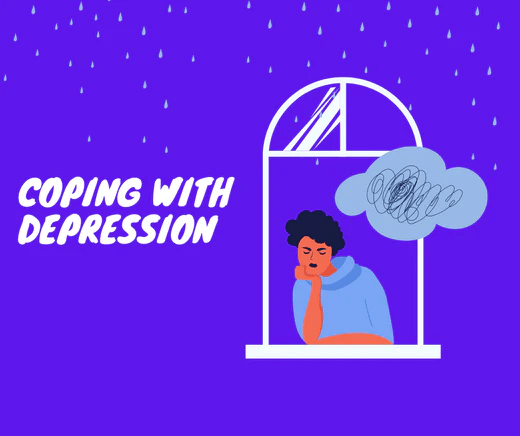
Depression affects how feel, think, and handle daily activities, such as sleeping, eating, or working.
Depression is a condition in which a person feels discouraged, sad, hopeless, unmotivated, or uninterested in life in general for more than two weeks and when the feelings interfere with daily activities.
Different Types Of Depression
Two common forms of depression are:
- Major depression, which includes symtoms of depression most of the time for at least 2 weeks that typically interfere with ones ability to work, sleep, study, and eat.
- Persistent depressive disorder (dysthymia), which often includes less severe symptoms of depression that last much longer, typically for at least 2 years.
Other forms of depression include:
- Perinatal depression, which occurs when a women expieriences major depression during pregnancy or after delivery (postpartum depression).
- Seasonal affective disorder, which comes ang goes with the seasons, typically starting in late fall and early winter and going away during spring and summer.
- Depression with symptoms of phsycosis, which is a severe form of depression where a person expierences phsycosis symptoms, such as delusions (disturbing, false fixed beliefs) or hallucinations (hearing or seeing things that others do not see or hear).
- Anxious distress-depression with unusal restlessness or worry about possible events or loss of control.
- Atypical features-depression that includes the ability to temorarily be cheered by happy events, increased appetite, excessive need for sleep, sensitivity to rejection, and a heavy feeling in the arms and legs.
- Mixed features-simultaneous depression and mania, which includes elevated self-esteem, talking too much and increased energy.
- Melancholic features-severe depression with lack of response to something that used to bring pleasure and assoiciated with early morning awakening, worsened mood in the morning, major changes in appetite, feelings of guilt, agitation, or sluggishness
- Psychotic features-depression accompanied by delusions or hallucinations, which may involve personal inadequacy or other negative themes.
- Catatonia-depression that includes motor activity that involves either uncontrollable and purposeless movement or fixed and inflexible posture.
Individuals diagnosed with bipolar disorder (formerly called manic depression or manic-depressive illness) also expierence depression.
Signs And Symptoms
- Persistent sadness, anxious, or “empty” mood
- Feelings of hopelessness or pessimism
- Feelings of irratability, frustration, restlessness
- Feelings of guilt, worthlessness, helplessness
- Loss of interest or pleasure in hobbies or activities
- Decreased energy, fatigue, or being slowed down
- Difficulty concentrating, remembering, or making decisions
- Difficulty sleeping, early morning awakening, or oversleeping
- Changes in appetite or unplanned wieght changes
- Aches or pains, headaches, cramps, or digestive problems without a clear physical cause and that do not ease even with treatment
- Inability to care for your daily basic needs or attend to your duties or relationships
- Angry outbursts, irratability or frustration, even over small matters
- Tiredness, lack of energy
- Anxiety, agitation, restlessness
- Slowed thinking, speaking or body movements
- Fixating on past failures or self-blame
- Trouble thinking, making decisions, and remembering things
- Memory difficulties or personality changes
- Often wanting to stay home, rather than going out to socialize or doing new things
- Suicide attempts or thoughts of death or suicide Call or text 988 to reach the suicide and crisis hotline availible 24/7/365.
- If you or someone you know is in immediate distress or is thinking about hurting themselves, call the National Suicide Prevention Lifeline toll-free at 1-800-273-TALK (8255) or the toll-free TTY number at 1-800-799-4TTY (4889). You can also text the Crisis Text Line (HELLO to 741741).
An individual must have five depression symptoms everyday, nearly everyday, for at least two weeks.
Young adults with depression are more likely to be irratable, complain of wieght gain and hypersomnia, and have a negative view of life and the future. They often have other disorders, such as generalied anxiety disorder, social phobia, panic disorder, and substance use disorders.
Middle aged adults with depression may have more depressive episodes, decreased libido, middle-of-the-night insomnia, or early morning awakening. They typically report of having gastrointestinal problems or symptoms such as diarrhea or constipation.
Older adults with depression commonly experience sadness or grief or may have other less obvious symptoms. they may report a lack of emotions rather than a depressed mood. Older adults also are more likely to have other medical conditions or pain that may cause or contribute to depression. In severe cases, memory and thinking problems may be present.
Tips
- Get active. 30 minutes of brisk physical activity daily is ideal but even 10 to 15 minutes a day can help. Depression can limit activity but try to push through it.
- Eat healthy. Eat well balanced meals and avoid high sugar, high fat, processed foods and alcohol.
- Get some sleep! Too much sleep is not good for depression but getting enough sleep is essential for mind and body.
- Journal. Write down recurring negative thoughts or feelings. Writing helps with personal expression and allows you to identify any distorted thinking and maladaptive behaviors.
- Challenege your thinking. Are your distortions true? Or do they just feel real? are you taking into account the evidence? Does it help to think this way?
- Limit ruminatiing. Excessivily rehashing thoughts, memories or moments in time are a part of depression. Try being more aware when it happens and redirect yourself by thinking or doing something more helpful.
- Set realistic goals. Break down your goals into smaller steps, rather than tackle on a large scale.
- Reduce procrastination. Try to do things a little at a time rather than avoid tasks all together.
- Enjoy the small things.
- Stay connected to people.
- Practice self-compassion.
- Simplify your life. Cut back on obligations when possible, and set reasonable goals for yourself. Give yourself permission to do less when you feel down.
- Read reputable self-help books and websites.
- Don’t become isolated. Try to participate in social activities, and get together with family or friends regurally.
- Learn ways to relax and manage stress.
- Structure your time. Plan your day. You may find it helps to make a list of daily tasks, use sticky notes as reminders or use a planner to stay organized.
- Don’t make important decisions when your down. Avoid decision-making when your feeling depressed, since you may not be thinking clearly.
 Mental Stregnth For Life
Leave a comment