
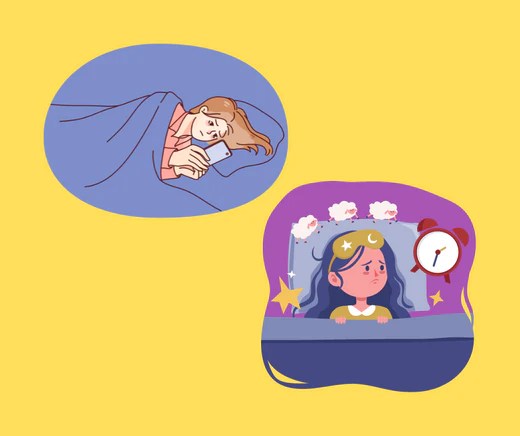
Sleep disorders are conditions that result in the way that you sleep. A sleep disorder can affect your overall health, safety, and quality of life.
Some of the signs and symptoms of sleep disorders include excessive daytime sleepiness, irregular breathing, or increased movement during sleep. Other signs and symptoms include irregular sleep and wake cycle and difficulty falling asleep.
Some common sleep disorders include:
- Insomnia – difficulty falling asleep or staying asleep throughout the night.
- Sleep apnea – experience abnormal patterns in breathing while you sleep. There are several types of sleep apnea.
- Restless leg syndrome (RLS) – Sleep movement disorder, causes uncomfortable sensation and an urge to move the legs while you try to fall asleep.
- Narcolepsy – extreme sleepiness during the day and falling asleep suddenly during the day.
Symptoms include being very sleepy during the day and having trouble falling asleep at night. Some people may fall asleep at inappropriate times, such as while driving. Other symptoms include breathing in an unusual pattern or feeling an uncomfortable urge to move while trying to fall asleep or during sleep. Having an irregular sleep and wake cycle is another symptom.
Sleep terrors are episodes of screaming, intense fear, and flailing while still asleep. They are also known as night terrors. They are often paired with sleepwalking. They usually last from a few seconds to a few minutes but may last longer. Sleep terrors differ from nightmares. The dreamer of the nightmare wakes up from the dream and may remember details, but a person who has a sleep terror episode remains asleep. They usually occur in the first third to the first half of the night, rarely during naps. A sleep terror may lead to sleepwalking.
A person may:
- Scream or shout
- Sit up in bed and appear frightened.
- Stare wide-eyed
- Sweat, breathe heavily, and have a racing pulse, flushed face, and dilated pupils.
- Kick and thrash
- Hard to awaken, may be confused when awakened.
- be inconsolable.
- Have little to no memory of the event the next morning.
- Have aggressive behavior.
Some strategies to try:
- Get adequate sleep. If you’re sleep-deprived, try an earlier bedtime and a more regular sleep schedule. Sometimes a short nap may help. If possible, avoid sleep time noises or other stimuli that could interrupt sleep.
- Establish a regular, and relaxing routine before bedtime. Do quiet, calming activities – such as reading books, doing puzzles, or soaking in a warm bath – before bed. Meditation and relaxation may help too. Make the bedroom comfortable and quiet for sleep.
- Make the environment safe. To help prevent injury, close and lock all windows and exterior doors at night. You may even lock interior doors or put alarms or bells on them. Block doorways and stairways with a gate and move electrical cords or other objects that pose a tripping hazard. Avoid using bunk beds. Lock up all weapons.
- Put stress in its place. Identify the things that stress you out, and brainstorm possible ways to handle the stress.
- Look for a pattern. Keep a sleep diary or journal. For several nights, note how many minutes after bedtime a sleep terror episode occurs.
 Mental Stregnth For Life
Leave a comment