
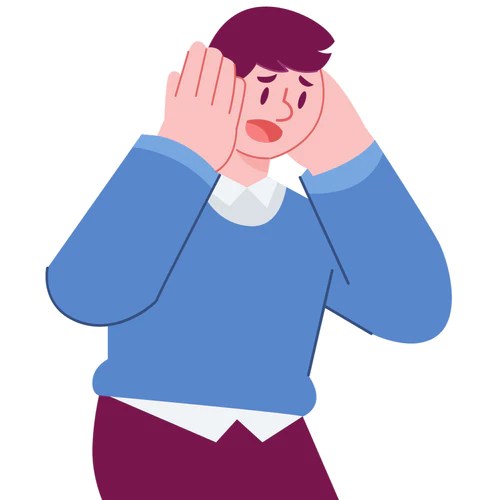
Adjustment disorders are stress-related conditions. You experience more stress than would be expected in response to a stressful or unexpected event, and the stress causes significant problems in your relationships at work or school.
Work problems, going away to school, an illness, the death of a close family member, or any number of life changes can cause stress. Most of the time, people adjust to such changes within a few months. But if you have an adjustment disorder, you continue to have emotional or behavioral reactions that can contribute to feeling anxious or depressed.
Symptoms
- Feeling sad, hopeless, or not enjoying things you used to enjoy.
- Frequent crying
- Worrying or feeling anxious, nervous, jittery, or stressed out.
- Trouble sleeping
- Lack of appetite
- Difficulty concentrating
- Feeling overwhelmed
- Difficulty functioning in daily activities.
- Withdrawing from social supports
- Avoiding important things such as going to work or paying bills.
- Suicidal thoughts or behavior
Symptoms of an adjustment disorder start within three months of a stressful event and lasts no longer than 6 months after the end of a stressful event. However, persistent or chronic adjustment disorders can continue for more than 6 months, especially if the stressor is ongoing, such as unemployment.
Usually stressors are temporary, and we learn to cope with them over time. Symptoms of adjustment disorder get better because the stress has eased. But sometimes the stressful event remains a part of your life. Or a new stressful situation comes up, and you face the same emotional struggles all over again.
Stressful Events
Stressful life events – negative and positive – may put you at risk of developing an adjustment disorder. For example:
- Divorce or marital problems.
- Relationship or interpersonal problems
- Changes in situation, such as retirement, having a baby, or going away for school.
- Adverse situations, such as losing a job, loss of a loved one, or having financial issues.
- Problems with school or at work
- Life-threatening experiences, such as physical assault, combat, or natural disaster.
- Ongoing stressors, such as having a medical illness or living in a crime-ridden neighborhood.
Types of adjustment disorders
Adjustment disorders can be:
- With depressed mood. Symptoms mainly include feeling sad, tearful, and hopeless and experiencing a lack of pleasure in the things you used to enjoy.
- With anxiety. Symptoms mainly include nervousness, worry, difficulty concentrating or remembering things, and feeling overwhelmed.
- With mixed anxiety and depressed mood. A combination of depression and anxiety.
- With disturbance of conduct. Behavioral problems, such as fighting or reckless driving.
- With mixed disturbance of emotions and conduct. A mix of depression and anxiety as well as behavioral problems.
- Unspecified. Symptoms don’t fit the other types of adjustment disorders, but often include physical problems, problems with family or friends, or work or school problems.
Symptoms can be:
- Acute – Symptoms last six months or less
- Persistent – Symptoms last more than six months.
Tips to improve resilience.
Resilience is the ability to adapt well to stress, adversity, trauma, or tragedy – the ability to bounce back after experiencing a difficult event. Consider the following strategies:
- Stay connected with healthy social supports, such as positive friends and loved ones.
- Do something that gives you a sense of accomplishment, enjoyment, and purpose every day.
- Live a healthy lifestyle that includes good sleep, a healthy diet, and regular physical activity.
- Learn from past experiences about how you can improve your coping skills.
- Remain hopeful about the future and strive for a positive attitude.
- Recognize and develop your strengths.
- Face your fears and accept challenges.
- Make a plan to address problems when they occur, rather than avoid them.
 Mental Stregnth For Life
Leave a comment